Cultivating Roots & Resistance Fellows Reflect on their time at Chaco Canyon
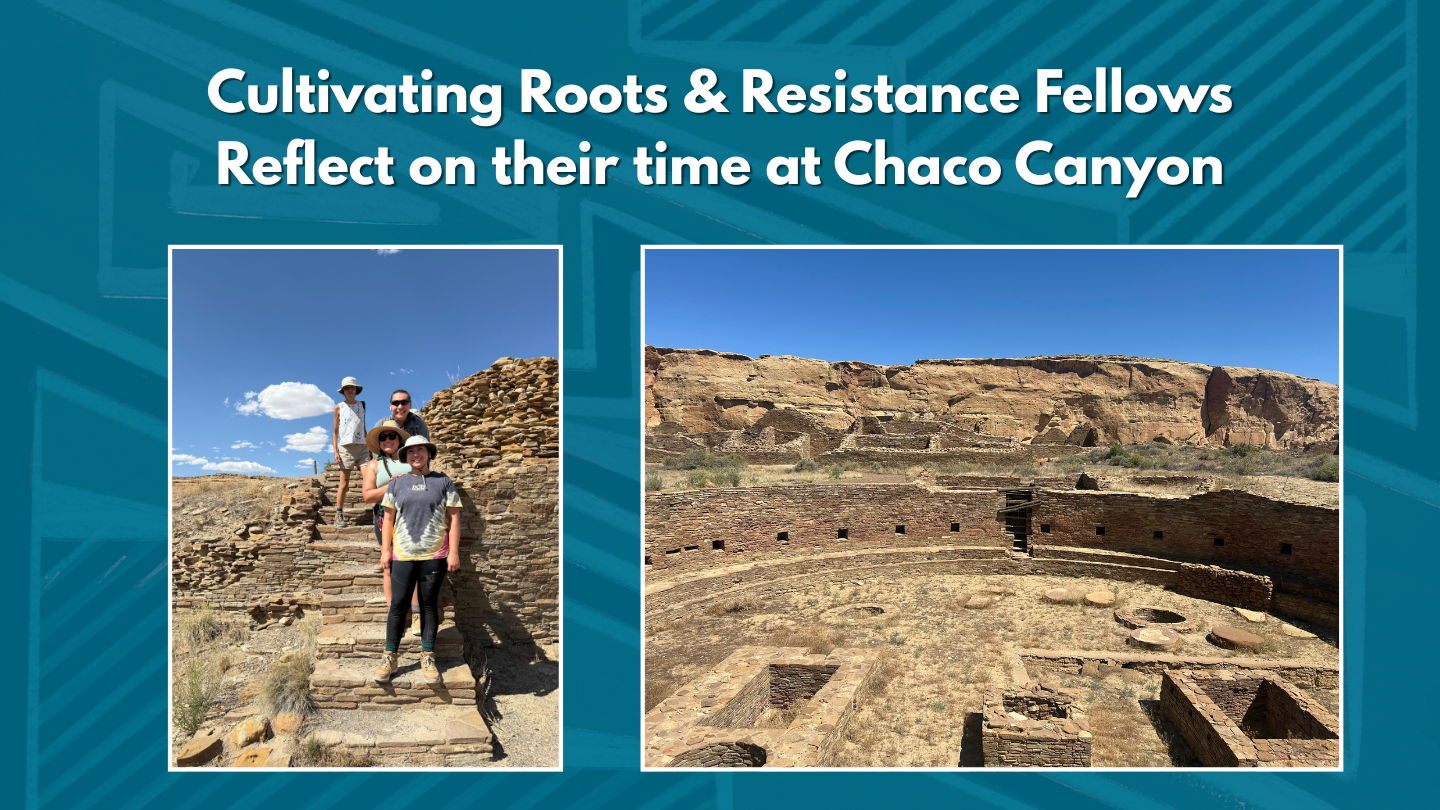
"Why are we here? We come to pray, as Pueblo People." In the genuine words of Laguna and Acoma Pueblo elder Tweety Paisano-Suazo (2023). It takes a battle against pollution that affects our lands, communities, and spiritual balance. Chaco Canyon and its "greater region" are located in the San Juan Basin and are considered an oil and gas hotspot. It must be protected from extractive industries because of its deep cultural, spiritual, and historical significance to Indigenous peoples, the irreversible environmental and health consequences of energy development, and the leadership role Native youth must play in shaping a sustainable future.
Many other nations are continually expanding their energy programs to compete with American energy dominance, creating a cycle of vicious competition that harms the environment. The phrase "energy independence" operates under the guise of national security and sovereignty; however, it fails to mention the shadow of private investment and the ravenous appetite that accompanies it. While we as a society are dependent on these nonrenewable energies, we need to firmly take a stand against the proliferation of this industry to protect our environment, water systems, human health, and overall respect for sacred sites that Indigenous people trace their lineage to.
Chaco Canyon holds deep cultural and spiritual significance for Pueblo and Indigenous communities across the Four Corners region. It is a sacred space where our ancestors built ceremonial structures in harmony with the cosmos, embedding prayers, purpose, and identity into the land. Chaco is not just part of our history—it is a living spiritual center that continues to guide and ground us. Its preservation is vital to honoring our cultural lifeways, ancestral presence, and the sacred responsibilities we carry forward. To protect Chaco is to preserve the spirit of our people and the sacredness of our connection to the land.
The encroachment of oil and gas industries near the Chaco Canyon site and its "greater region" increases the risk for pollution, habitat destruction, and severe health disparities. Fracking contributes to respiratory illness, biodiversity loss, and water contamination—issues that disproportionately affect Pueblo and Diné peoples. Meyer (2021) notes that fracking lacks proper regulation, threatens groundwater, and exposes communities to carcinogens. Lack of access to clean water severs the deep cultural connection to the land that indigenous people have cultivated. Policymaking must be centered on tribal perspectives that are grounded in solutions and considerations of our collective cultural sovereignty and Indigenous stewardship.
As Cultivating Roots and Resistance fellows, we were honored to journey alongside Pueblo Action Alliance mentors and faculty. We witnessed threats to this sacred site, which deepened our sense of responsibility and sharpened our vision to lead in both cultural and political spaces. Shuuti reflects on his preparation for the visit: "Before our trip, I asked my family and other tribal members if they had ever traveled to the sacred Chaco Canyon area; most said no. Those who had visited shared their experiences, wisdom, and prayers with me. This reinforced the responsibilities and characteristics bestowed upon us as Pueblo People."
Chaco still stands for us, Indigenous people; thus, we deeply struggle with this sacred land. It must be included within our ongoing fight for Mother Earth. We see Chaco Canyon as home, similar to where we gather on our reservations. Touting energy independence is unjustifiable by defiling this sacred land for monetary gains. The preservation of Chaco Canyon is paramount to honoring the spirit and history of our ancestors. Pollution and biodiversity loss negatively contribute to the current climate catastrophe. With the insights we've gained, we will weave ancestral wisdom and innovative approaches to meet the needs of our communities.